
100+ Short Horror Stories: Read or Listen for Free
Explore our Ultimate Collection of Spine-chilling Tales with Immersive Audio Narrations
Loading stories...
Showing 20 stories of 35 total
Unlock All Stories
Create a free account to access our complete collection of short horror stories, bookmark your favorites, and get personalized recommendations.
The Web's Best Free Horror Library
Let's be honest: finding good horror online is hard. That's why we built this archive. Whether you have five minutes to kill or want a long-form mystery to solve, we have something that will make you check the locks twice. From classic ghost stories to our new immersive audio narrations, everything here is free and terrifying.
Don't Just Read. Listen.
Too scared to look at the screen? Put on your headphones. We are adding professional audio narrations to our best stories every week.
Creepypastas & Classics
We collect everything from viral internet creepypastas to old-school paranormal tales. If it's scary, it belongs here.
Always Free. No Paywalls.
Horror should be accessible. Read thousands of free horror stories without needing a subscription or a credit card.
Midnight Snacks
Most of our tales are short horror stories designed to be read in under 10 minutes. Perfect for a quick thrill before bed.
What kind of horror do you like? If you are into the subtle stuff, check out our psychological thrillers—the kind where the monster is inside your head. If you prefer jump scares and gore, we have plenty of scary stories to read that go straight for the jugular.
We also have a soft spot for true horror stories (the ones that might actually happen to you) and those classic short horror stories with a twist that leave you staring at the ceiling. Whatever your poison, ShortHorrorStories.net is here to ruin your sleep schedule.
Top Free Stories
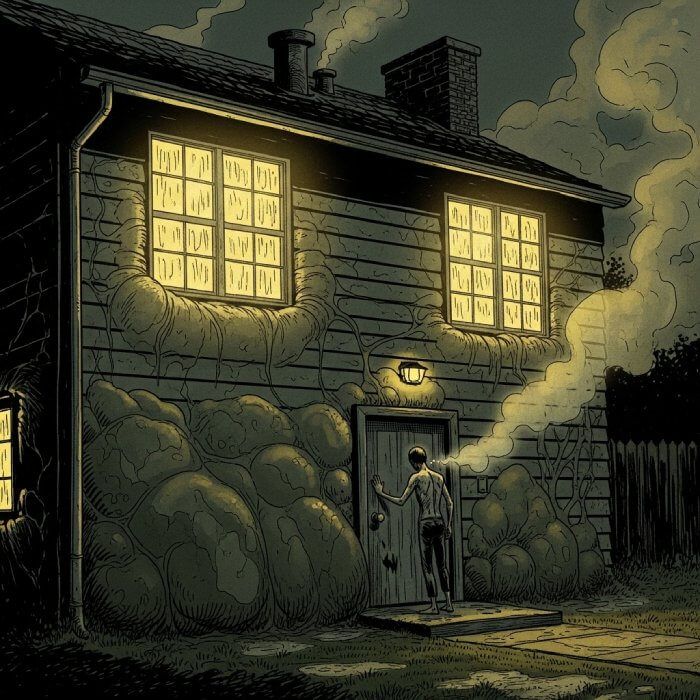
Open House
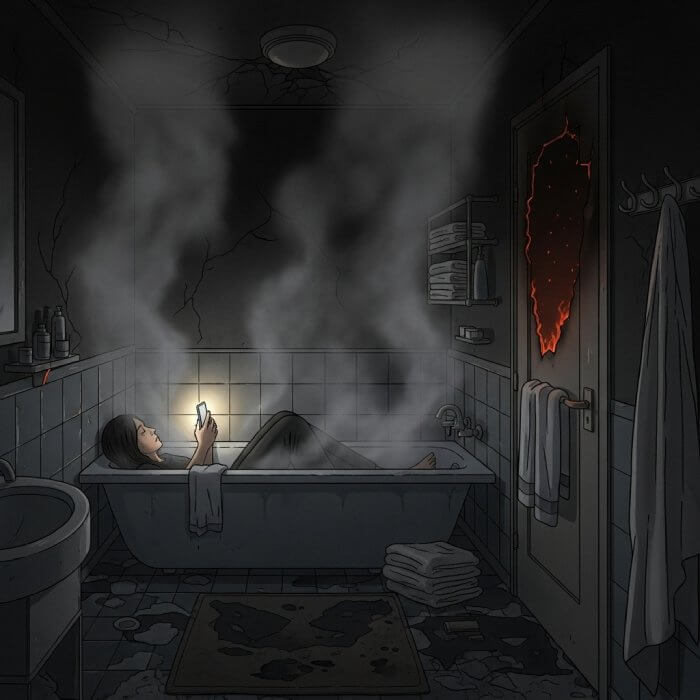
A man prepares his house the way others might prepare a body or a ritual—carefully, patiently, with devotion. Heat rises, moisture settles, and decay is no longer treated as failure but as purpose. As isolation deepens and the boundaries between home and self begin to soften, the house responds, growing attentive and hungry. Open House is a claustrophobic descent into obsession, transformation, and the seductive comfort of surrendering to something that promises belonging at any cost.
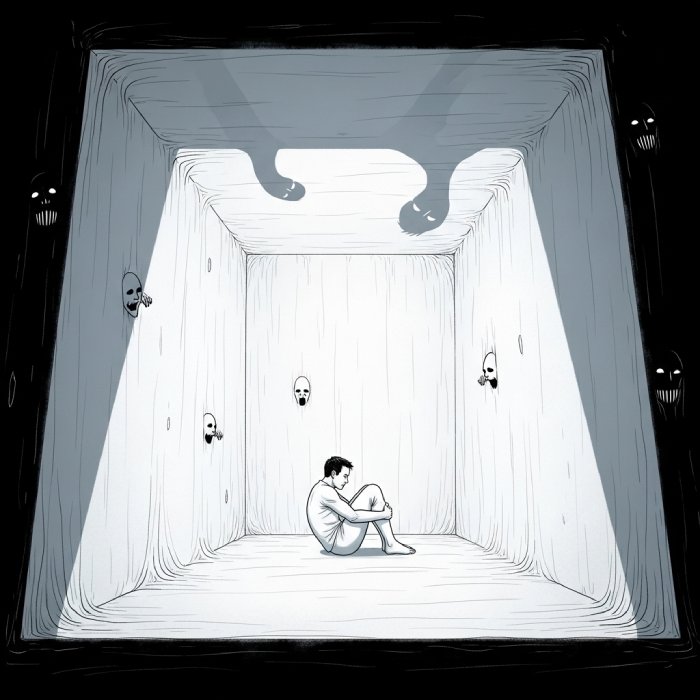
The Room That Hated Me
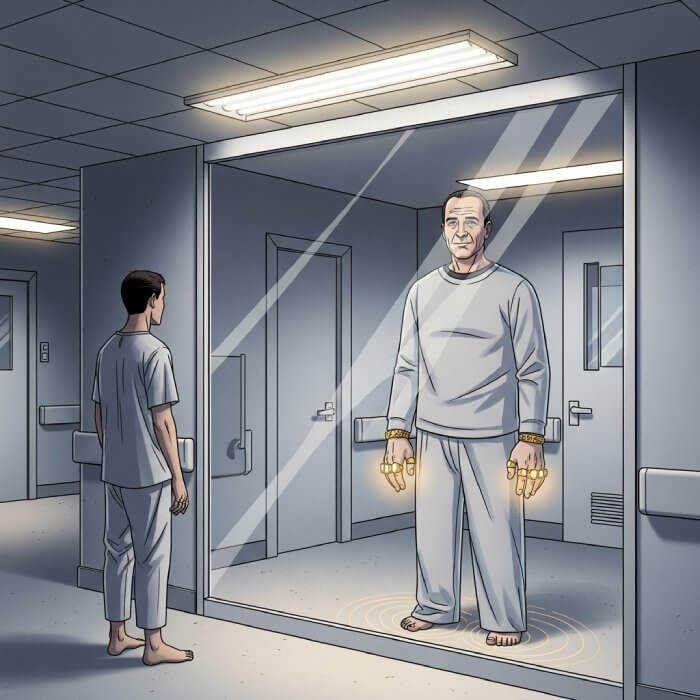
In Darswyn, executions are not meant to end lives—they are meant to be remembered. Callum Hargrove is condemned not to the blade, but to a perfect white room designed to punish defiance slowly. At first, it seems empty. Harmless. Then the walls begin to move. The space tightens. Time dissolves. And the truth reveals itself: the room is alive, aware, and learning him inch by inch. As pressure replaces air and whispers replace silence, Callum discovers the king’s cruelest innovation—a prison that doesn’t kill its victims. It keeps them.
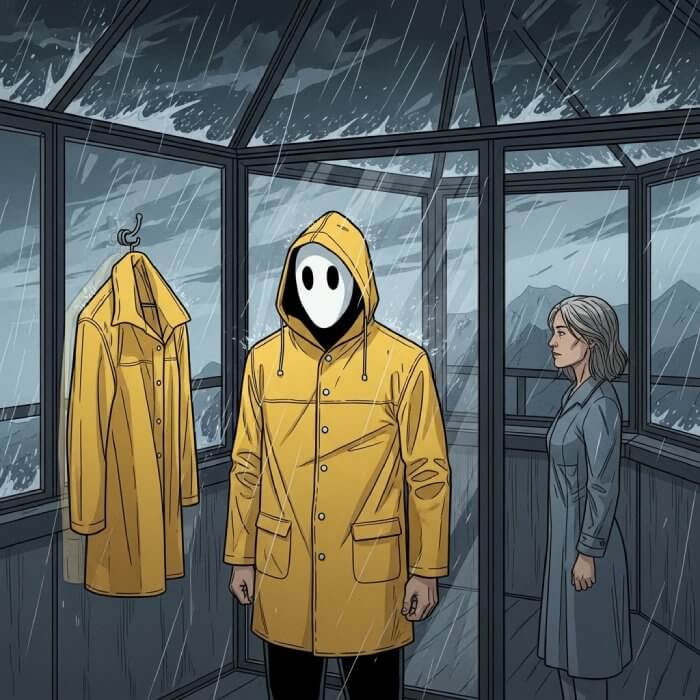
The Shape of Nothing
Fear isn’t always loud. Sometimes it waits in reflections, in the corners of certainty, in the things you insist don’t exist. In the isolated Fire Tower Four, skeptic Arthur dismisses legends as childish nonsense—until the storm and a companion’s warning prove that denial can be deadly. The Inverse Man is no ghost, no monster with claws or fangs. He is the void made flesh, a living absence that trades places with those who are absolutely certain he isn’t real. The Shape of Nothing is a tense, psychological horror about skepticism, cosmic rules, and the terrifying cost of certainty in a world that refuses to honor it.
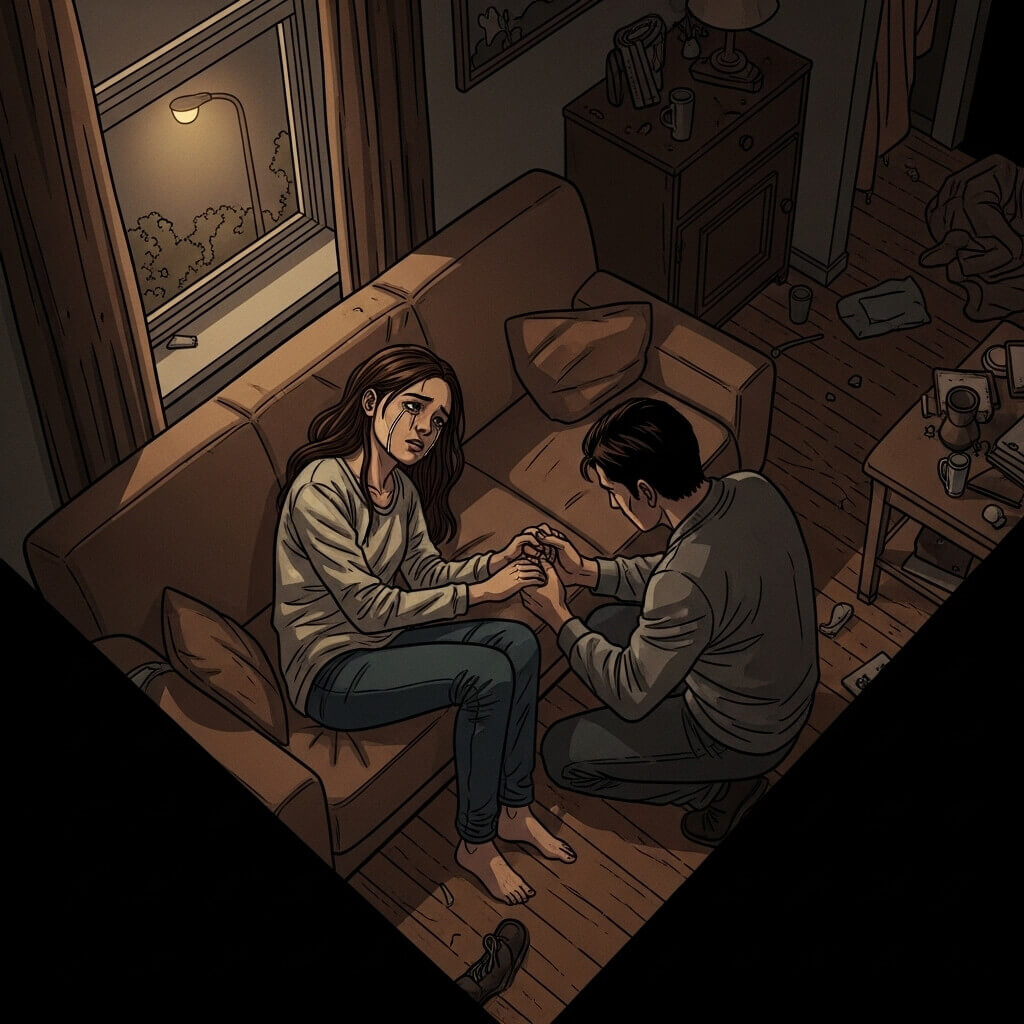
Staying Close
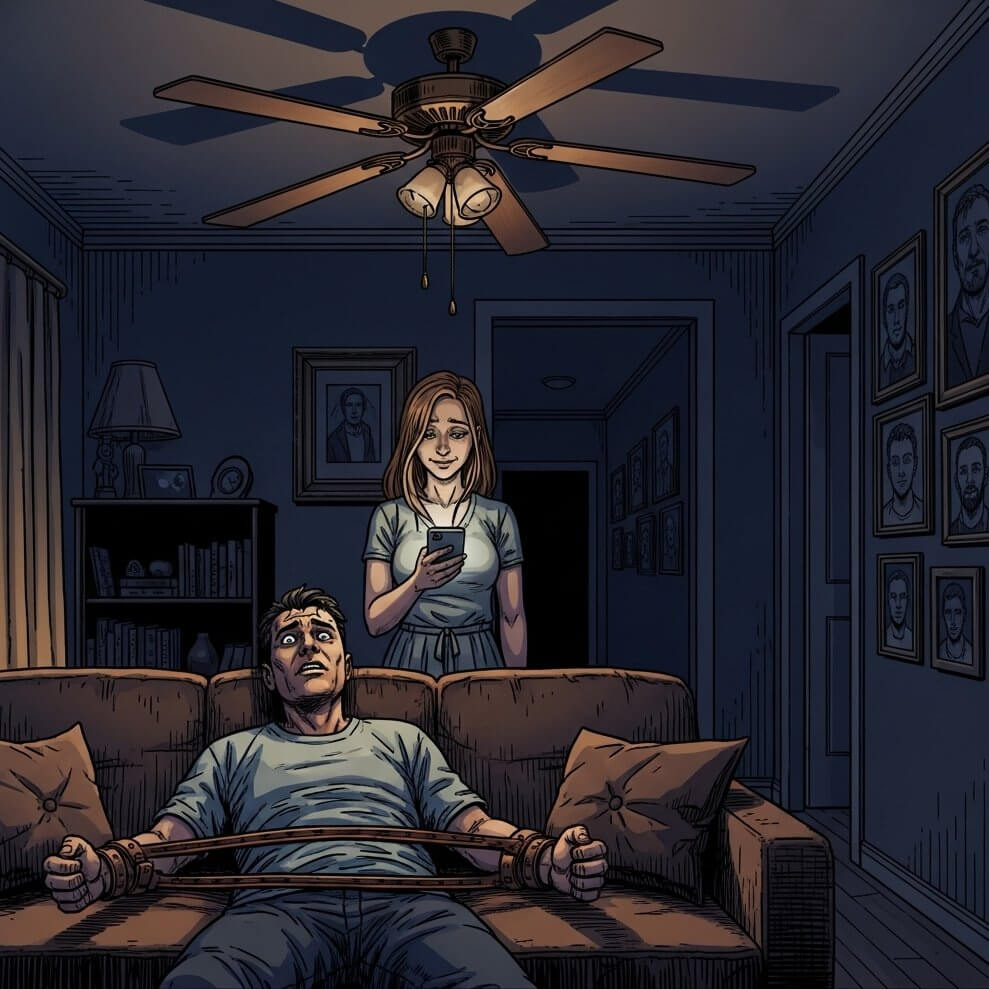
Love makes a convincing excuse. After the crash, Lena can’t stop crying. She doesn’t remember what happened—not clearly—and that’s fine. The narrator remembers enough for both of them. Enough to keep her calm. Enough to keep her close. Enough to make the night quieter. As hours pass, Lena’s fear grows sharper, her questions more dangerous. The narrator answers them with reassurance, with restraint, with hands that never mean to hurt. Every decision is framed as protection. Every act of control is called care. And guilt is smoothed over with the certainty that this is what love looks like when it’s necessary. This is a psychological horror about devotion turned delusion, memory reshaped into justification, and the unbearable intimacy of being trapped inside a mind that believes violence is mercy. There are no monsters in the dark—only the quiet terror of someone who truly thinks they’re doing the right thing.
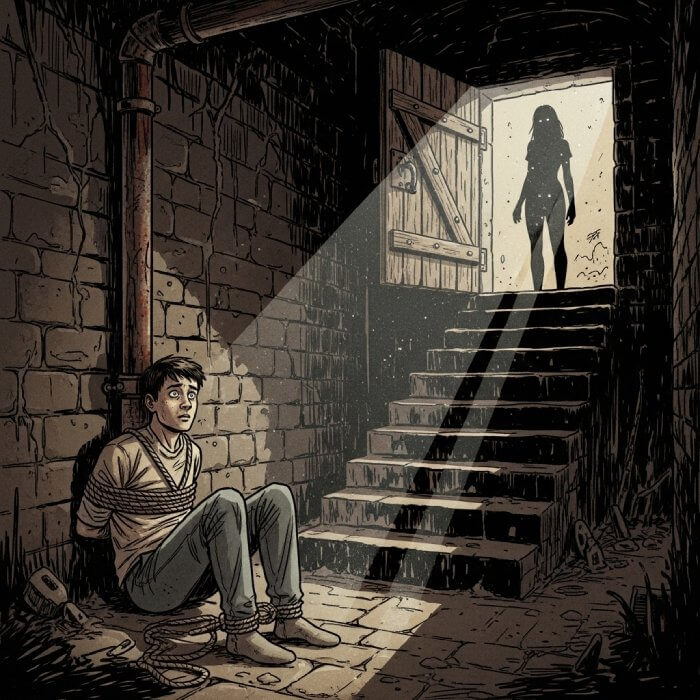
The Quiet One
Born a twin, raised to disappear, a quiet child learns that silence is the only way to survive his family’s love. When an inherited curse demands a sacrifice, his parents make their choice without hesitation—binding, testing, and preparing him for something they insist he is not. But houses remember, monsters listen, and blood has a way of correcting mistakes. This is a psychological horror story about inheritance, mistaken purity, and the terror of realizing the thing they feared was never the one they chained in the dark.
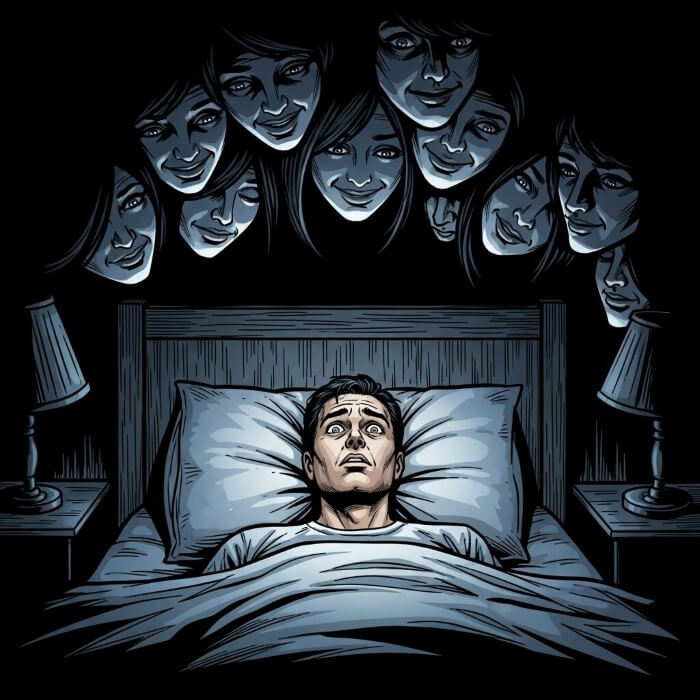
The Ones Who Lean In
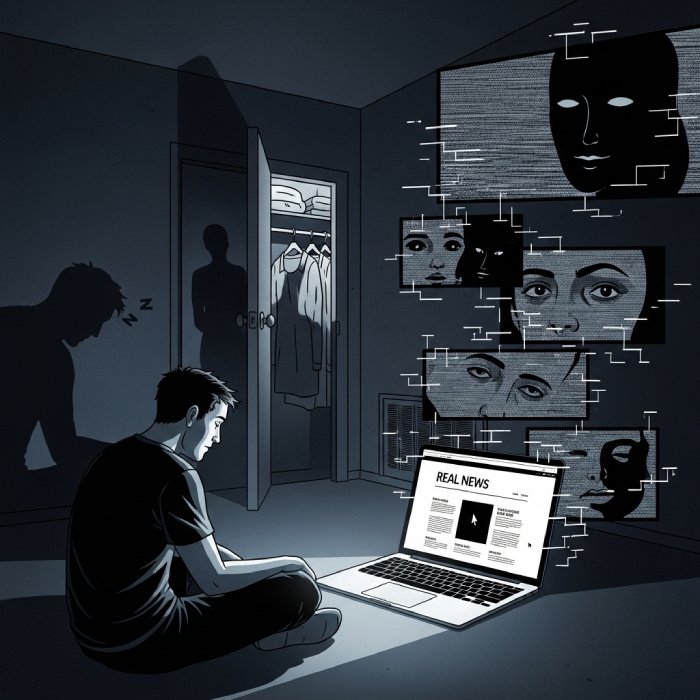
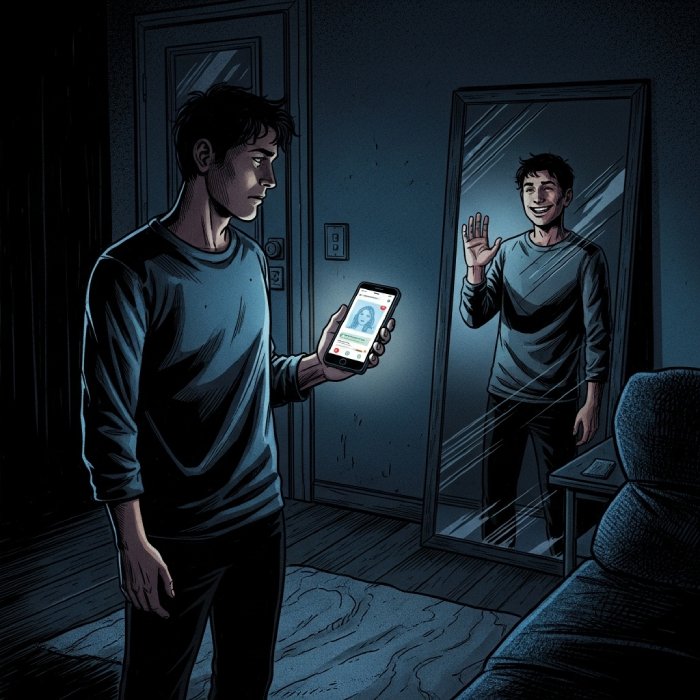
You’re never more vulnerable than when you can’t move. Jonah wakes every night trapped inside his own body, lungs working, eyes open, while something stands just beyond his reach. Faces hover in the dark—familiar, smiling, patient. Doctors call it sleep paralysis. Stress. Hallucination. Jonah tries to believe them. But the faces keep coming back. They lean closer. They linger longer. And they don’t feel imagined—they feel expectant. As exhaustion erodes the boundary between waking and dreaming, Jonah begins to notice the same unease bleeding into daylight. Reflections hesitate. Conversations feel watched. The night doesn’t end when morning comes. The Ones Who Lean In is a quiet psychological horror about helplessness, exposure, and the terror of being observed by something that has no need to hurry. Some horrors don’t chase you. They wait until you’re still enough to notice them.
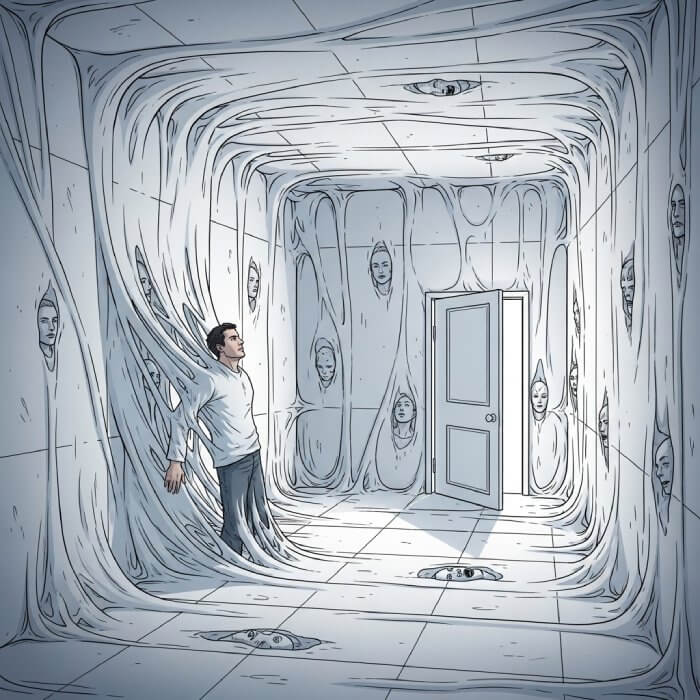
White Enough to Forget The Name
In Virel, punishment is usually a spectacle. For Rowan Hale, it is an omission. Condemned without ceremony, Rowan is sealed inside a flawless white room that shrinks, listens, and remembers. At first, it is a machine. Then it speaks. Then it learns. As the walls close and time dissolves, Rowan uncovers the city’s most carefully hidden truth: justice here is not about death, but absorption. The White Room is a psychological horror about bureaucratic cruelty, living infrastructure, and the terror of realizing you were never meant to survive—only to become part of the system.
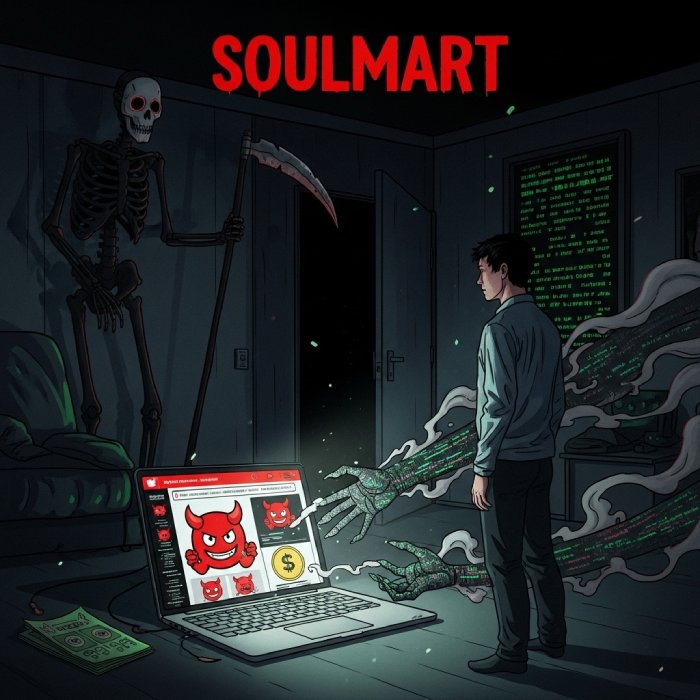
The Subscription of Souls
Money fixes everything. That’s the lie that opens the door. Crushed by debt and desperation, he clicks a joke that shouldn’t work—and it does. Wealth floods in effortlessly, luxuriously, obscenely. Bills vanish. Fear dissolves. Life becomes a celebration. But contracts are patient things, and eternity has a way of arriving late. When the collector comes, he doesn’t take a life—he takes meaning. Pleasure fades. Identity thins. And then the truth emerges: the sale was only the beginning. His soul isn’t owned by one demon, but by many. Watched. Subscribed to. Broken into fragments and resold to strangers who crave suffering like entertainment. SoulMart is a modern psychological horror about capitalism without limits, digital damnation, and the quiet terror of discovering you were never a person—only inventory. In a marketplace that never closes, the most valuable commodity isn’t wealth. It’s you.
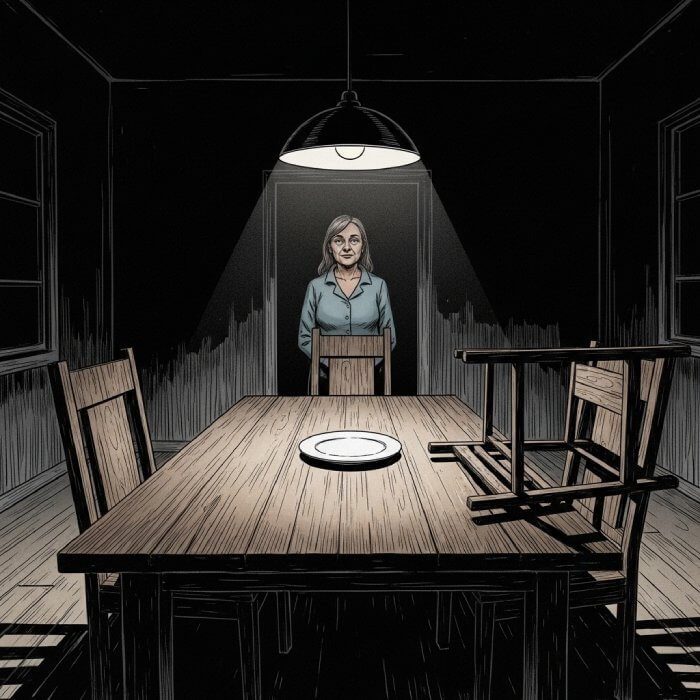
Clean the Table
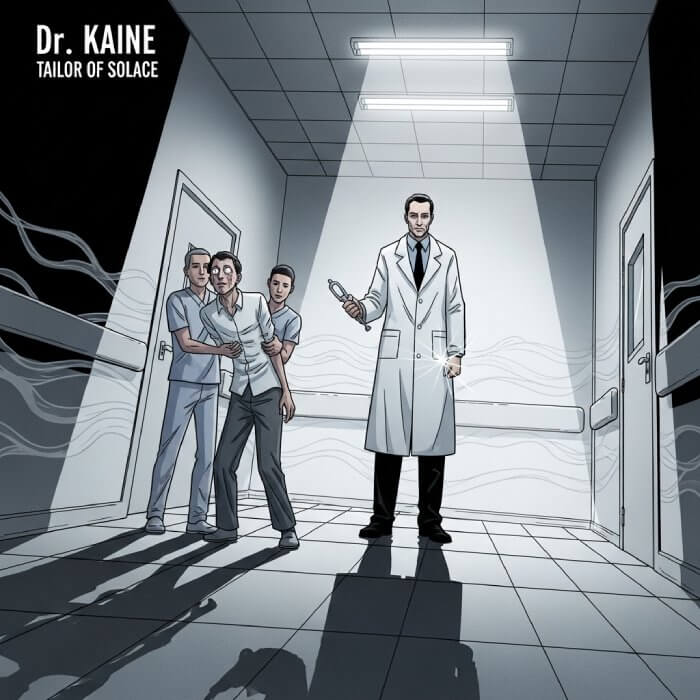
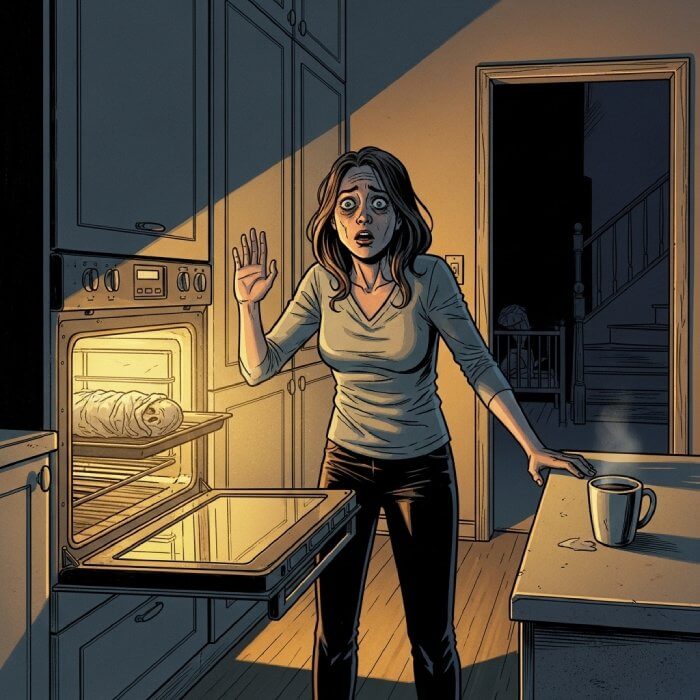
A lifetime of criticism turns the simplest act—being fed—into something transactional, then cruel. When a grown son returns to the home he once ruled with his opinions, his mother offers one final meal, prepared with patience and precision. What follows is an unsettling reckoning about entitlement, control, and the quiet fury that can grow behind domestic devotion. Clean the Table is a dark psychological horror story that explores power dynamics, parental sacrifice, and the terrifying consequences of never learning when to stop demanding more.
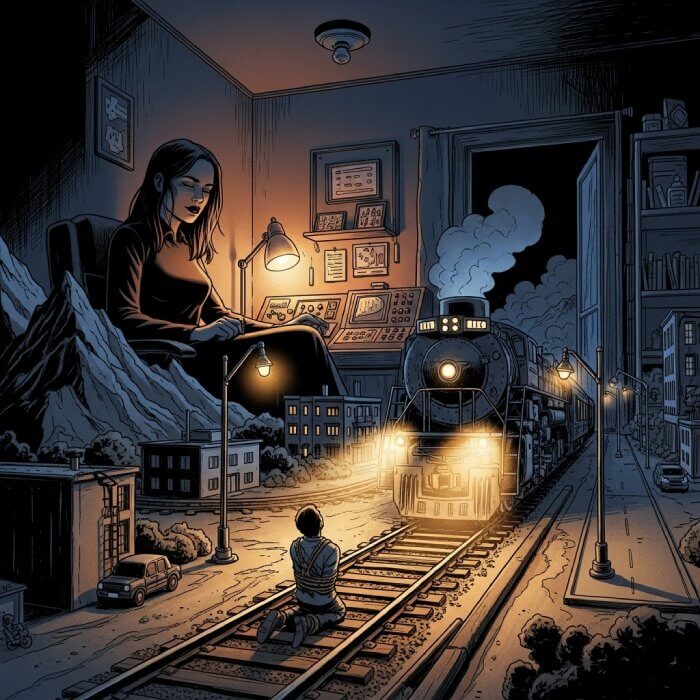
Scale Matters
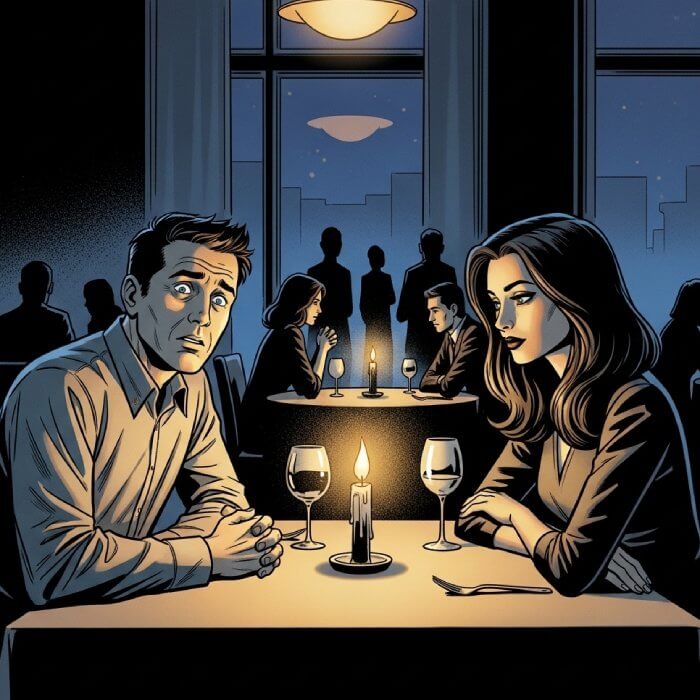
He thought confidence was control—until he stepped into a world where precision meant power. What begins as a seductive dinner with a woman who refuses to play by social rules descends into a meticulously crafted nightmare, where arrogance is measured, reduced, and repurposed. As boundaries collapse and scale becomes punishment, he learns too late that some people don’t argue with dominance—they redesign it. This is a psychological horror story about obsession disguised as order, misogyny reduced to scale, and the terror of realizing you were never being tested—you were being curated.